What Causes It Around Here
Most of the city of Melbourne's housing dates back to a median build year of 1977, but West Melbourne's stock skews considerably newer, closer to the early 2000s. That matters for an off-track call. Older doors jump track because decades of rust have eaten the roller brackets or the track itself has bowed from age. Newer West Melbourne construction doesn't have that problem yet - what it has instead is builder-grade hardware. Doors installed during a building boom often shipped with lightweight nylon rollers and tracks set to minimum tolerance, which means less room for error if a car bumps the door, a bottom bracket gets knocked loose, or a kid leans a bike against the panel. In a mild climate like this one, metal fatigue from temperature swings isn't the driver it is up north - the strain here is almost always mechanical: impact, a loose track bolt, or a cable that slipped its drum and pulled the door sideways as it traveled. On a 2003-era door, we're usually chasing a bent track or a stripped bracket screw, not corrosion.
What the Fix Involves
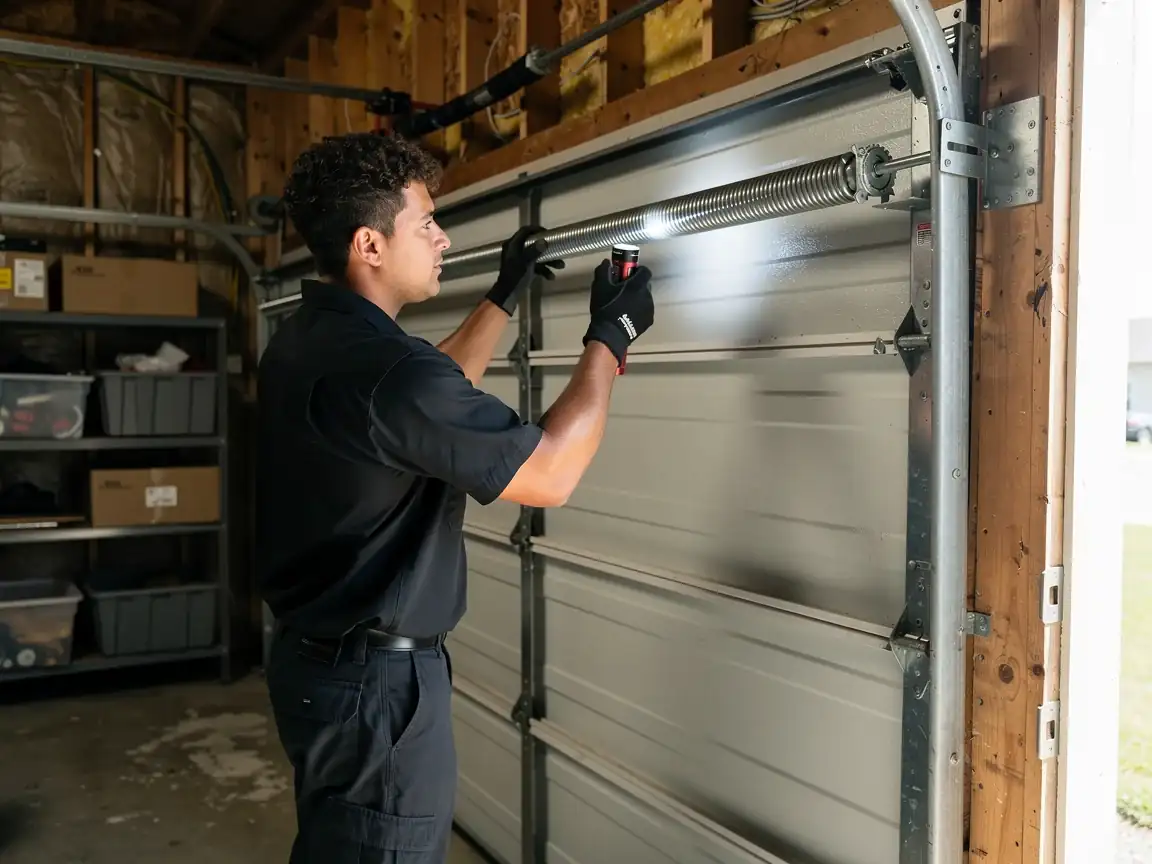
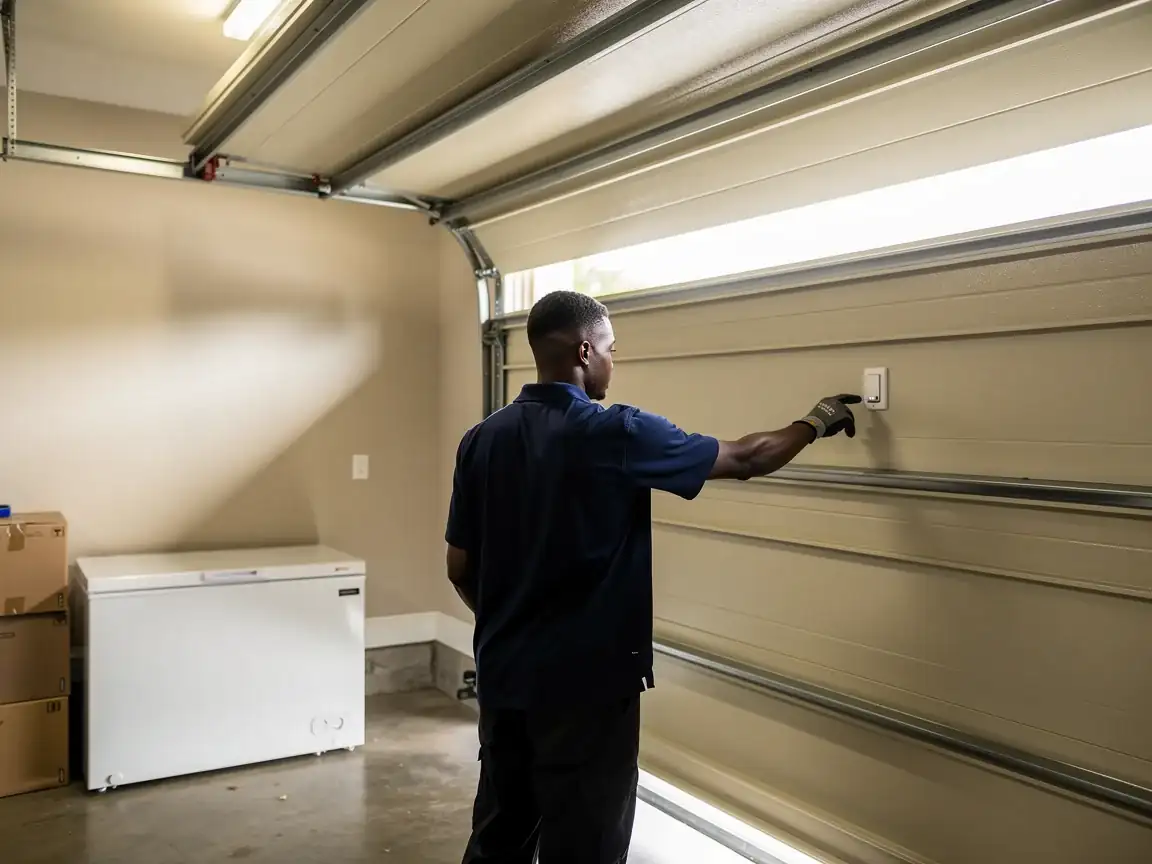
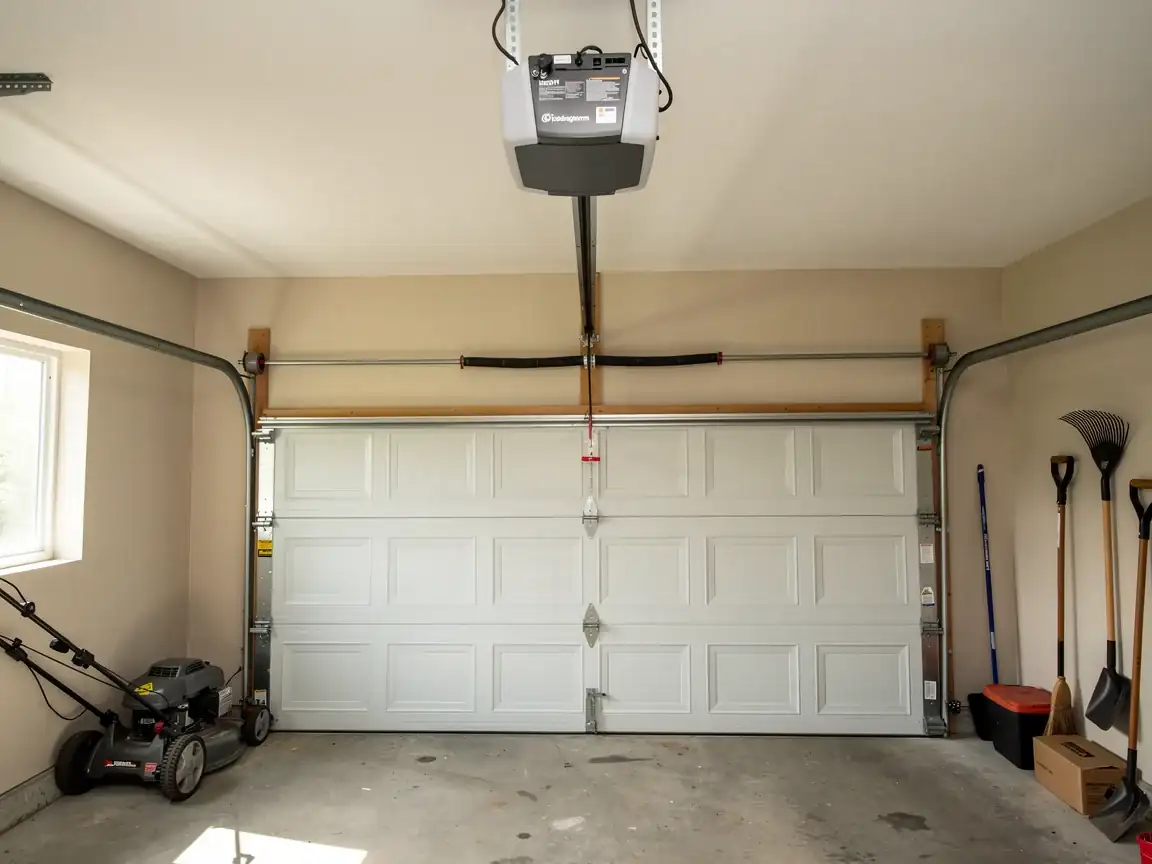
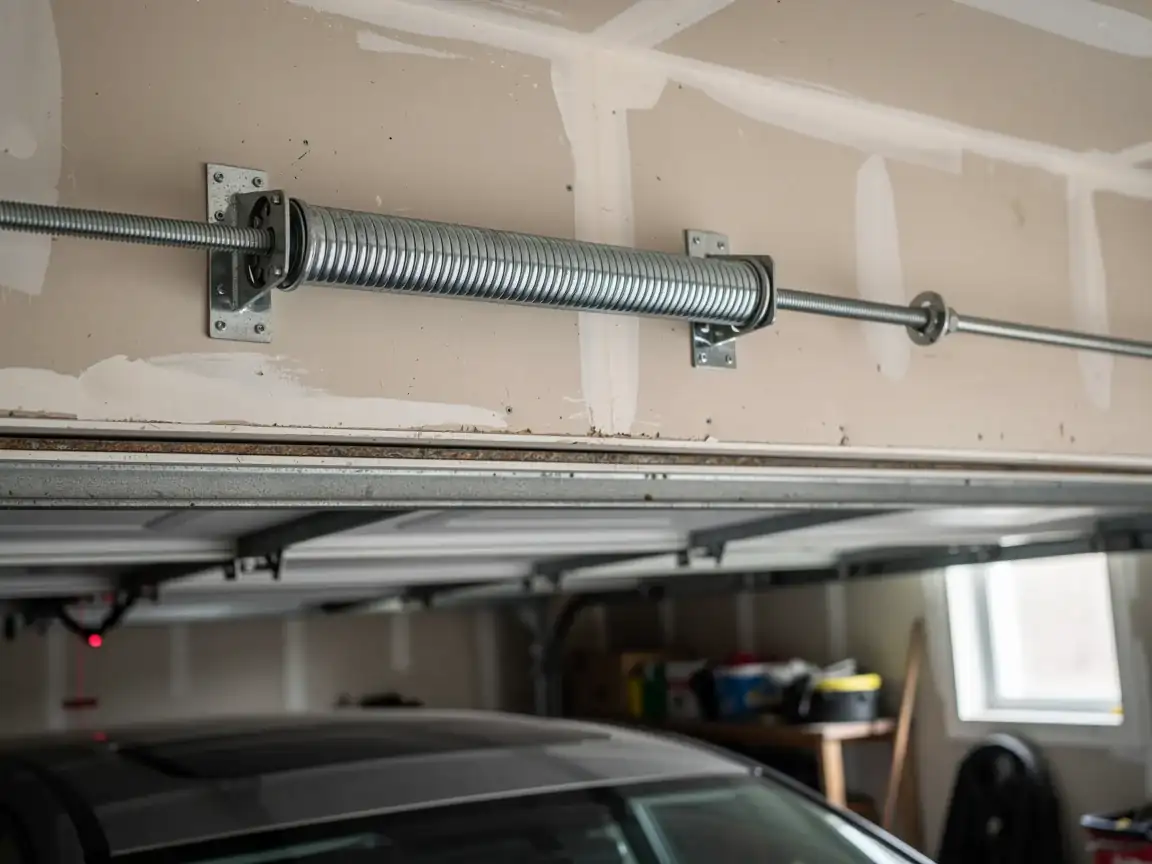
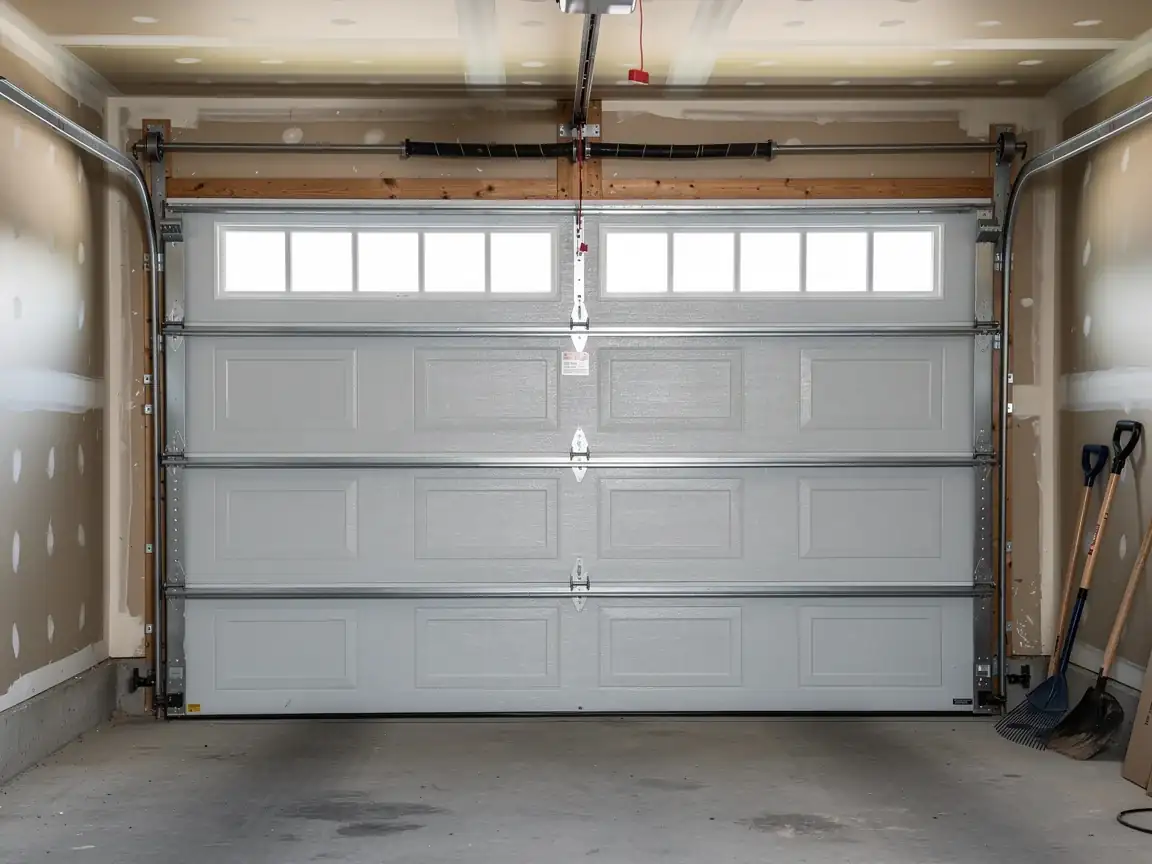
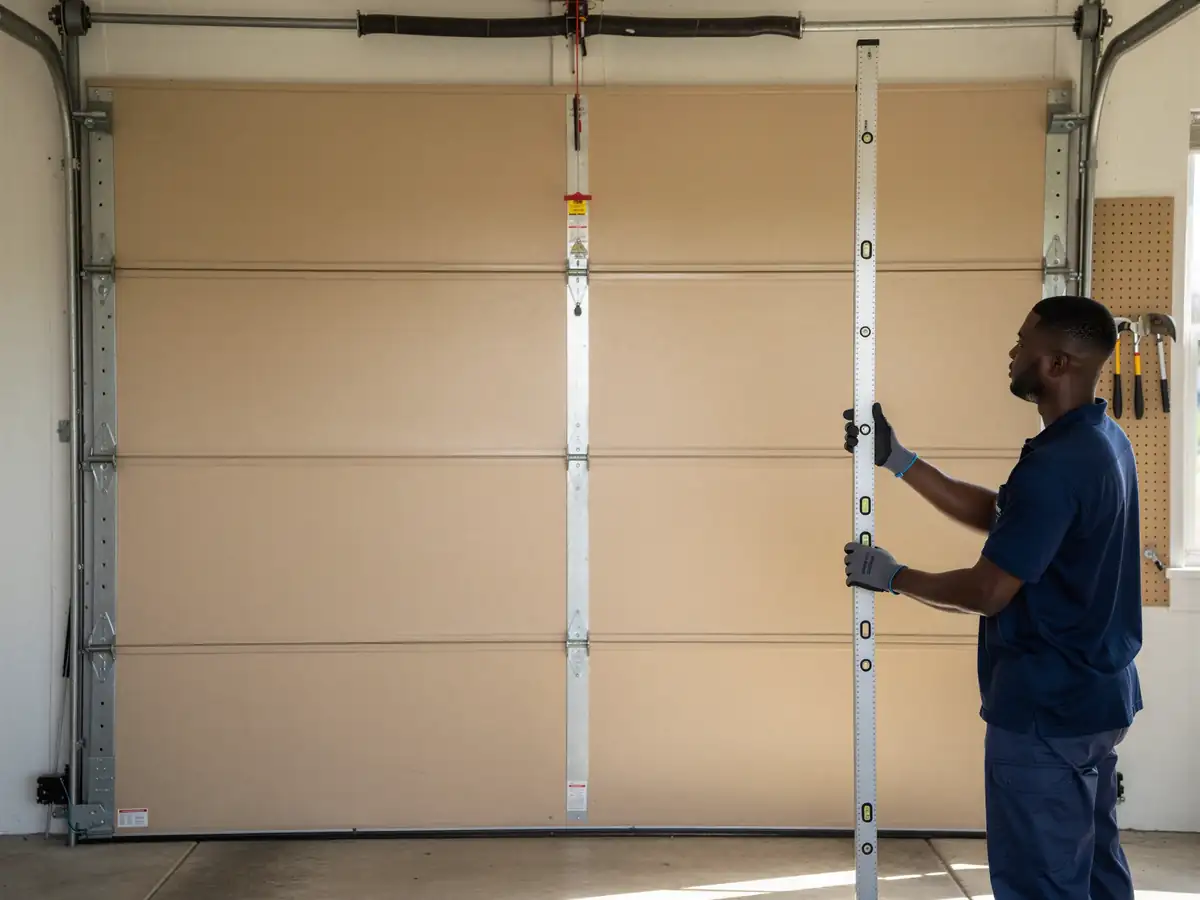
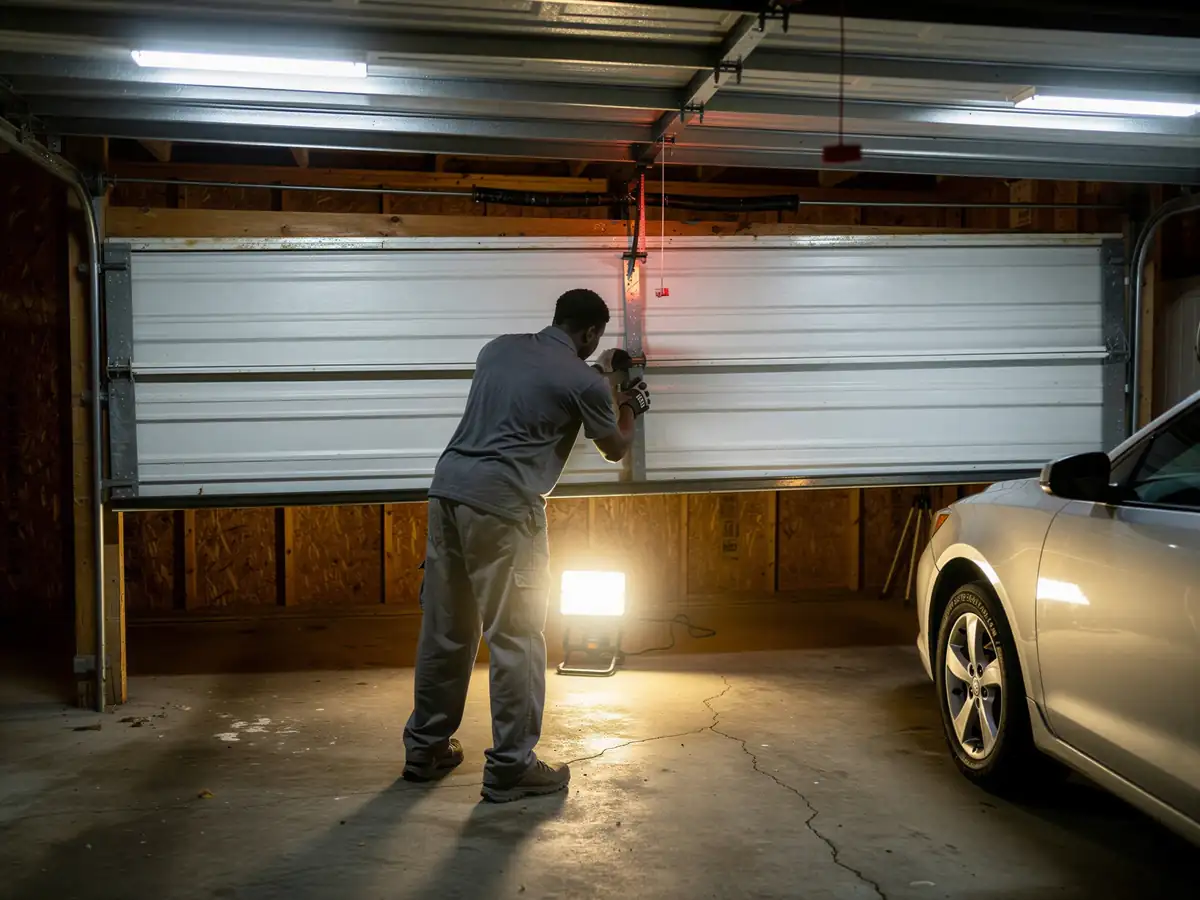
First step is figuring out whether the door came off because of the track or because of what's pulling it. We check the rollers for cracks, check that both tracks are still plumb and equally spaced, and look at the cables and bottom brackets - a frayed cable on one side will yank a door off the rails faster than almost anything else. If the track itself is just bent, straightening or replacing a section can put the door back on its rails the same visit. If a bracket pulled loose from the jamb, we reset and resecure it, checking the surrounding wood or stud isn't compromised. On newer builds like most of what's in West Melbourne, the hardware is usually intact enough to reuse - we're not fighting rust to get a bolt out. We test the door through several full cycles before we call it done, because a door that looks straight at rest can still bind halfway up.
How Long You Are Without the Door
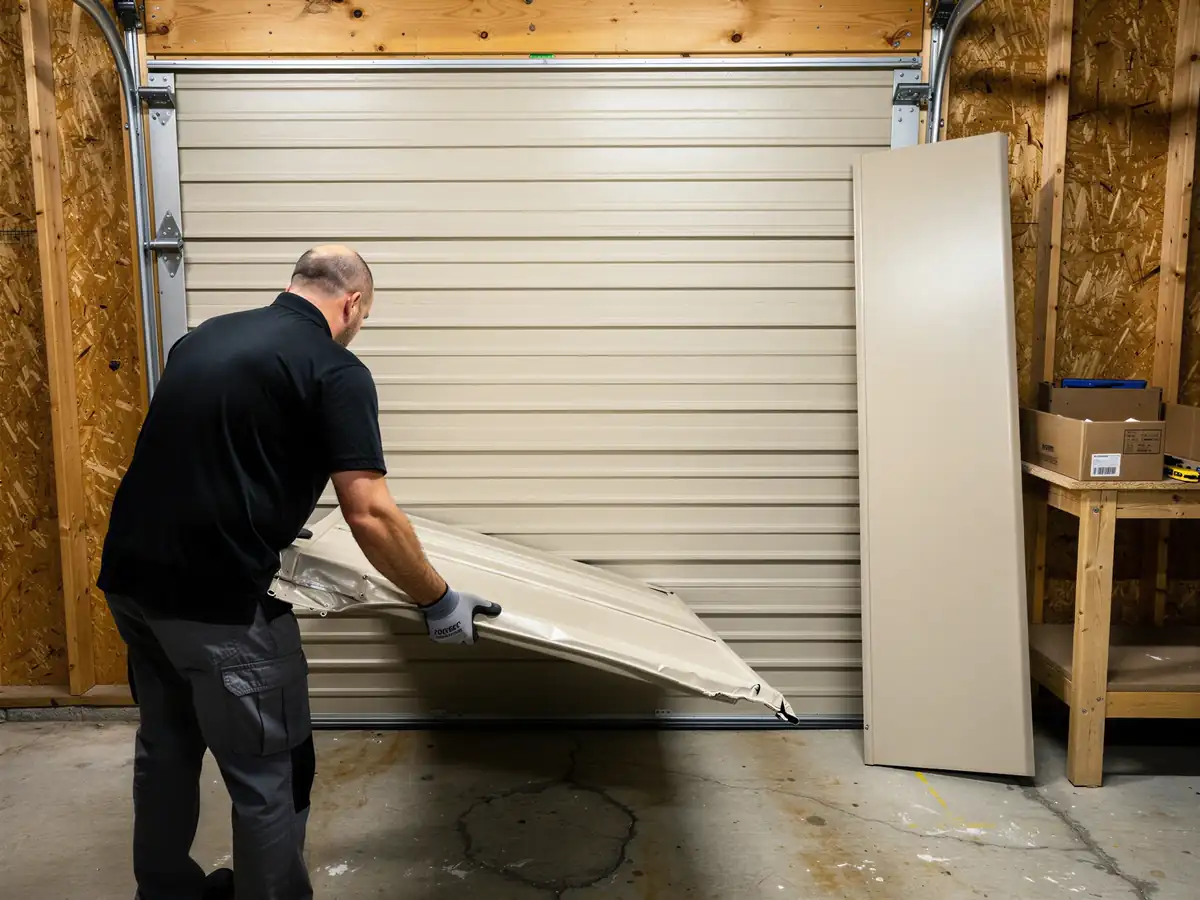
A straightforward off-track fix - a roller or bracket problem on a door that's otherwise in good shape - usually gets the door back on its rails and cycling normally within the same visit. If the track is badly bent or a panel got creased when the door jumped, that can turn into a parts wait, since replacement track sections and matching panels aren't something we carry for every door style on the truck. We won't know which case it is until we've got eyes on the door, which is part of why we don't quote a fix over the phone.
How It Shows Up
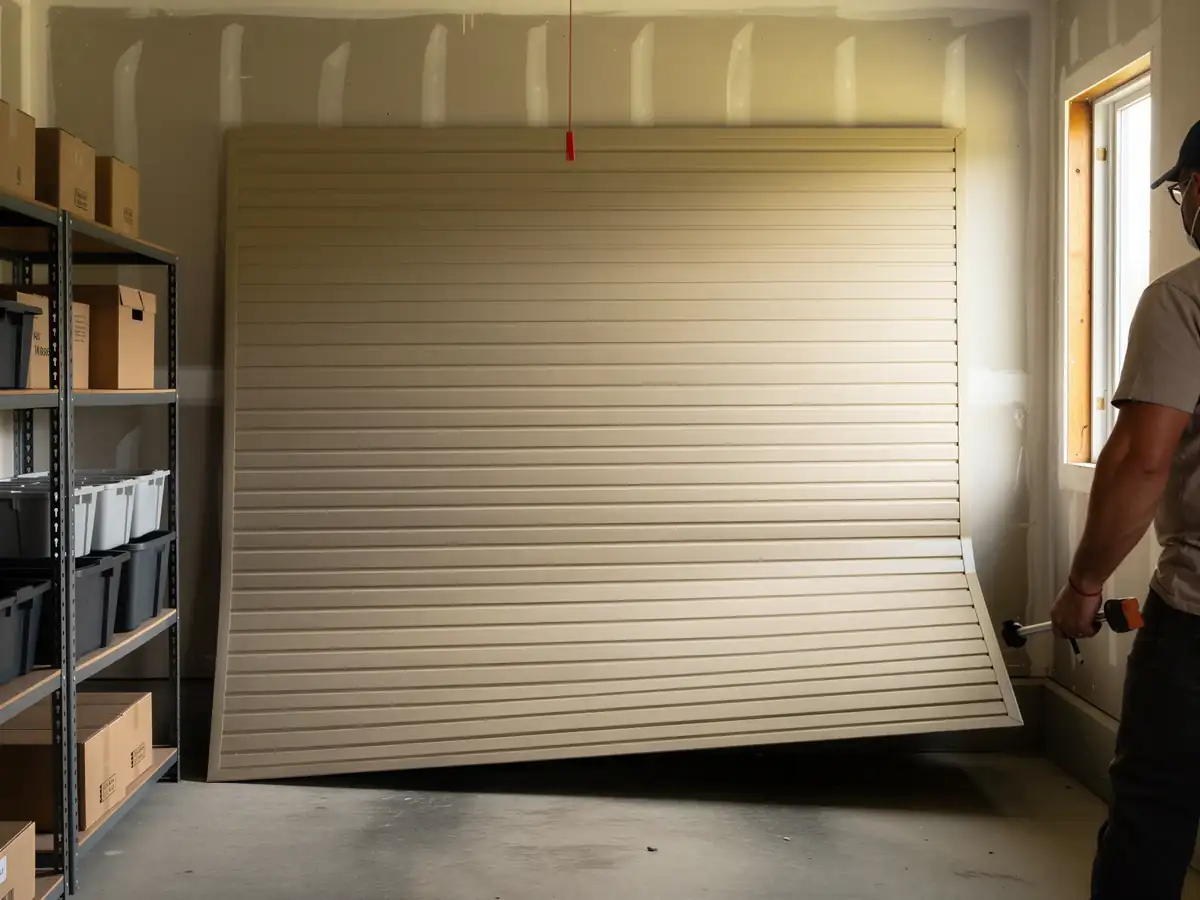
The door usually gives a warning before it fully derails: a grinding or scraping sound as it travels, a visible gap between the roller and track on one side, or the door hanging crooked when it's partway up. Sometimes it's sudden - a hard bump from a car bumper or a dropped object catching the bottom panel, and the door comes to a stop cocked at an angle mid-cycle. Either way, once a door is visibly off true on one side, every additional cycle risks bending the track further or snapping a cable, so it's worth stopping and calling rather than running it through the opener again.