What Causes It Around Here
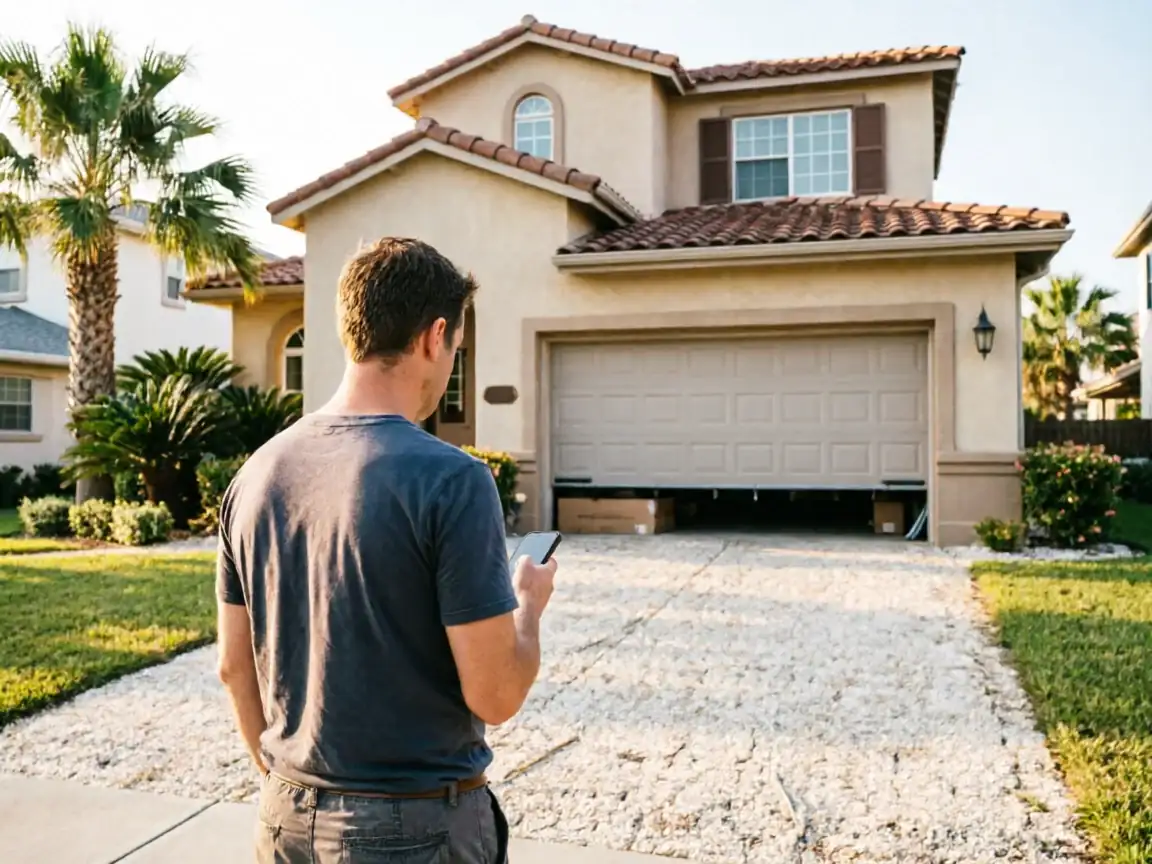
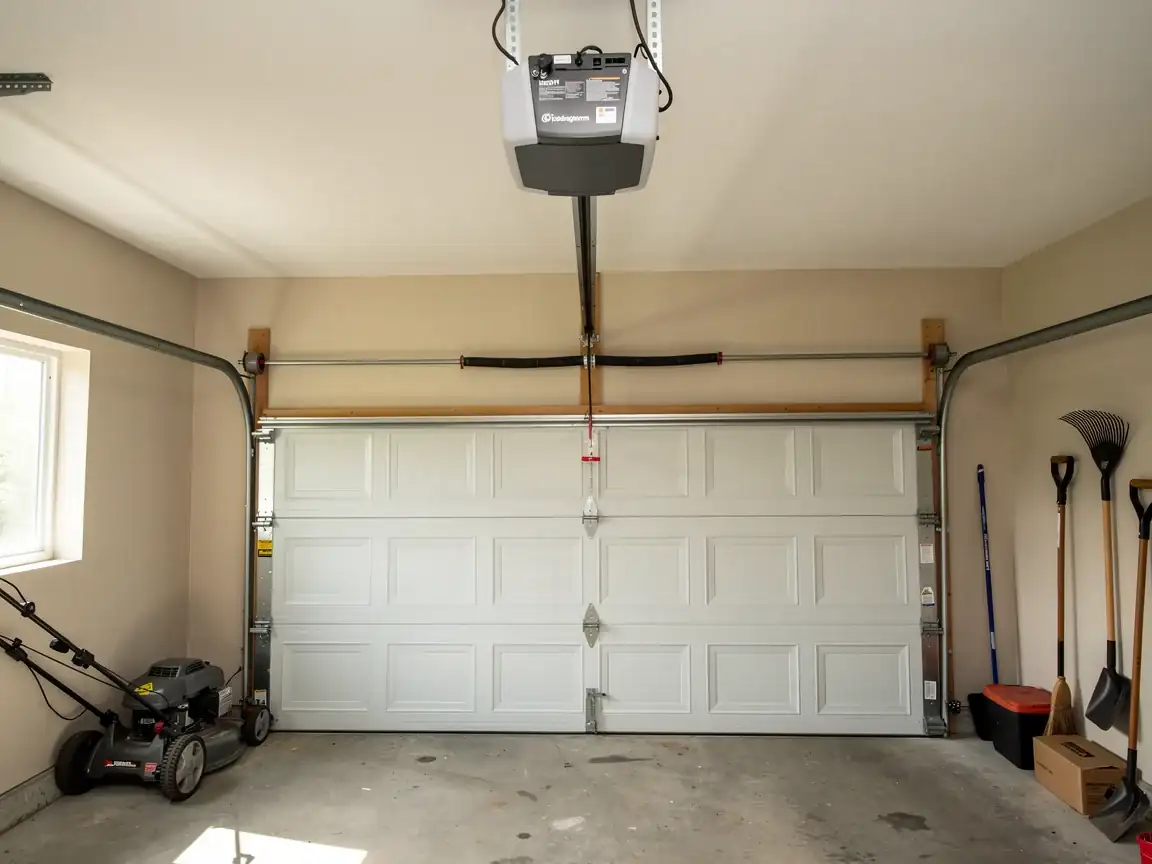
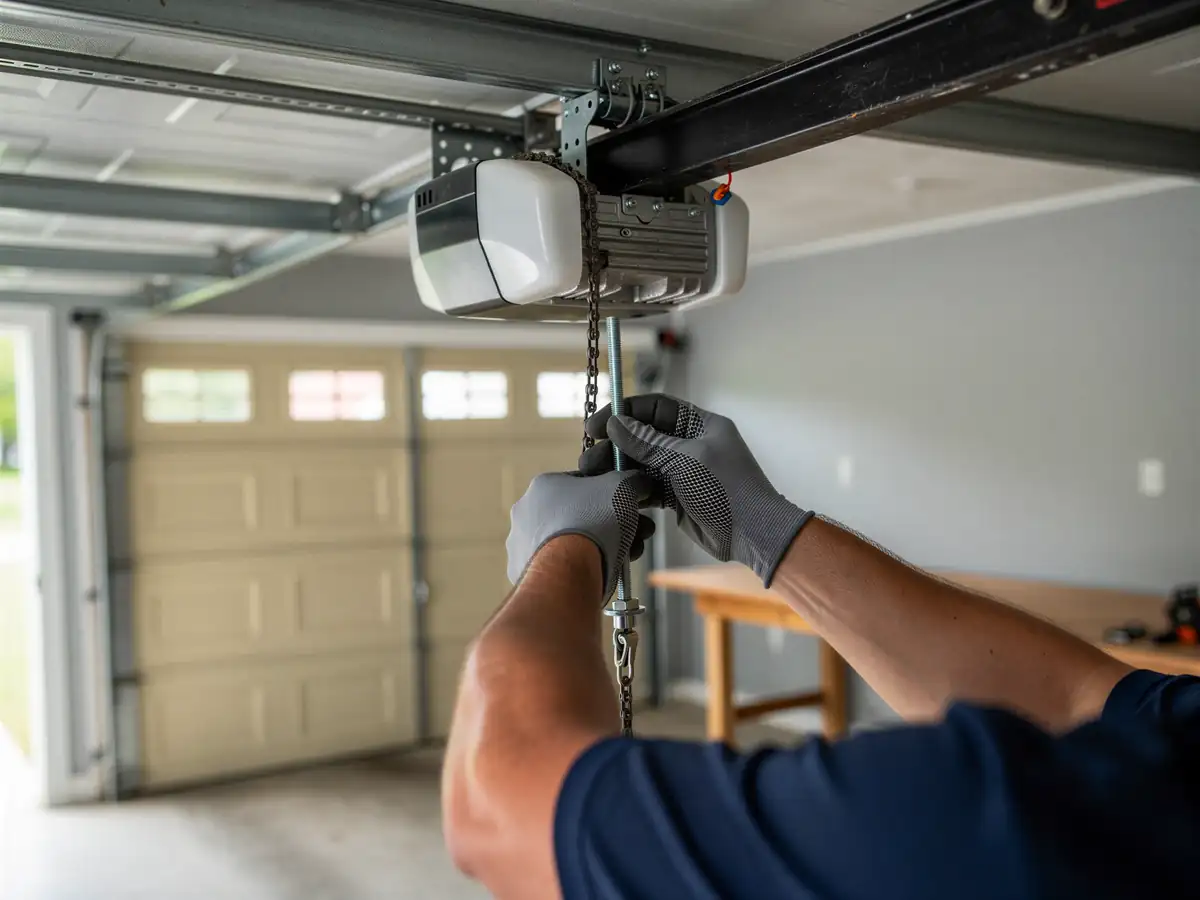
West Melbourne's median home was built around 2003, newer than much of the surrounding service area where houses still date to the 1960s and 70s. That matters for openers because a 2003-era build almost always came with a belt or chain-drive opener on a circuit board, with a safety-sensor pair at the bottom of the track and a keypad or rolling-code remote - not the older pull-chain or screw-drive units you still find on houses built before the mid-1990s.
The failures we see here track that hardware. Circuit boards degrade from heat cycling in a closed garage, especially once the unit's a decade or more old. Safety sensors drift out of alignment or corrode at the lens from humidity - expected in this mild coastal climate, but it still eats sensor eyes over years. Remotes lose their rolling code sync after a battery change or a power outage. None of that is a spring problem or a track problem - it's the opener itself, and in newer construction that's almost always electronic, not mechanical.
What the Fix Involves
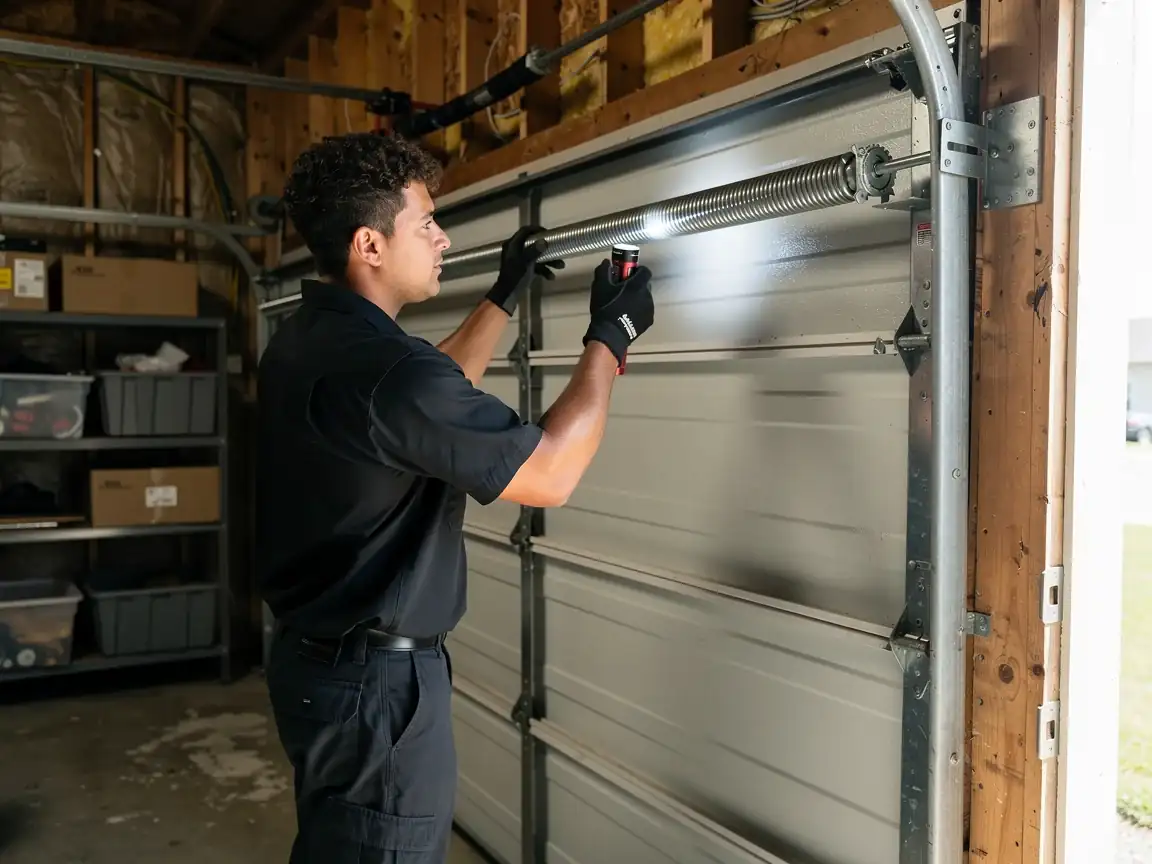
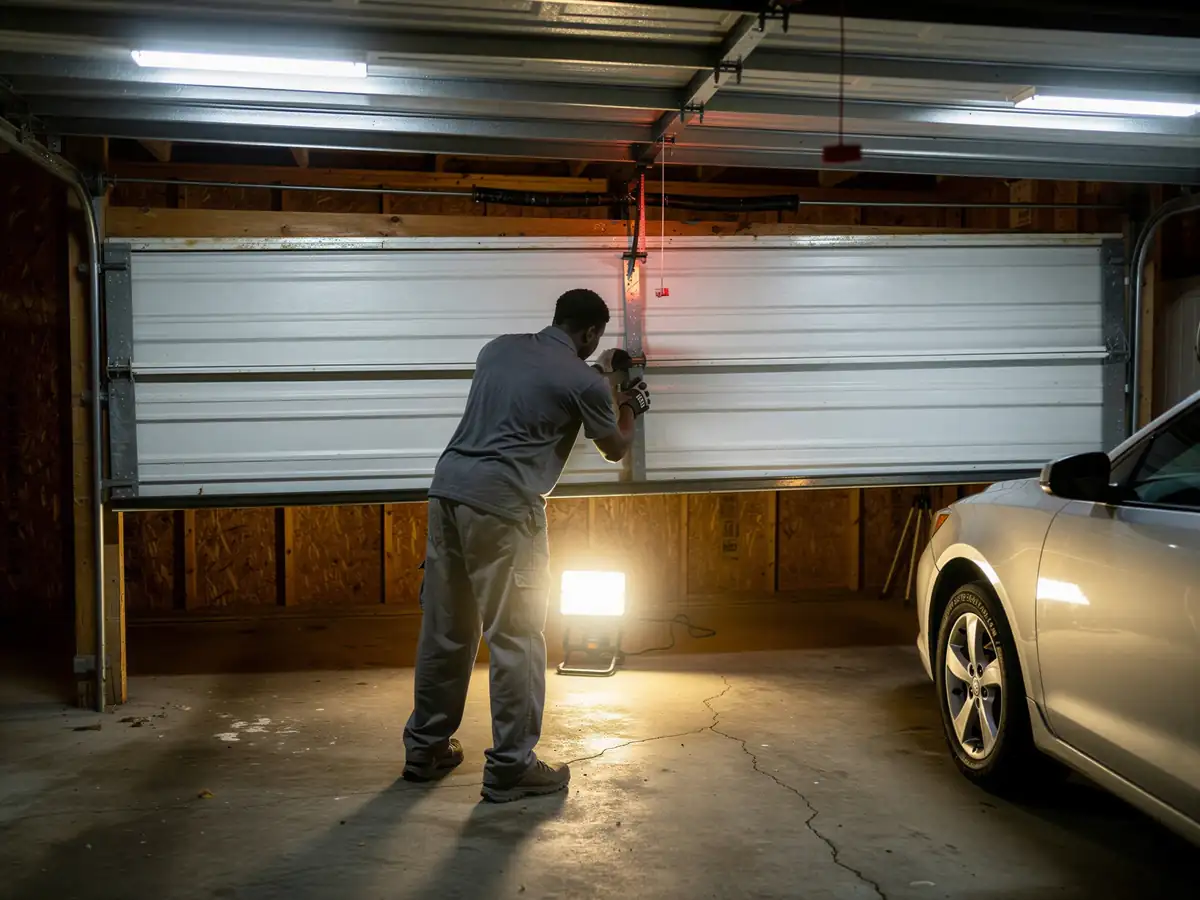
First step is figuring out whether it's the logic board, the sensors, or the motor itself - three different repairs that look identical from the kitchen doorway (door won't respond, or reverses with no obstruction). We test the sensor alignment and wiring first since that's the cheapest and most common cause of a door that reverses or won't close.
If the board itself has failed, we replace it rather than patch it - boards aren't economical to repair piece by piece. If the motor's worn out but the rest of the unit is sound, sometimes a motor and gear replacement makes more sense than a full unit swap, especially on openers still within their expected working life. We'll tell you straight if the unit's old enough that replacement beats repair - chasing parts on a ten-year-old board can cost more than a new opener.
Doing It Yourself
Sensor alignment is the one thing worth trying before you call anyone
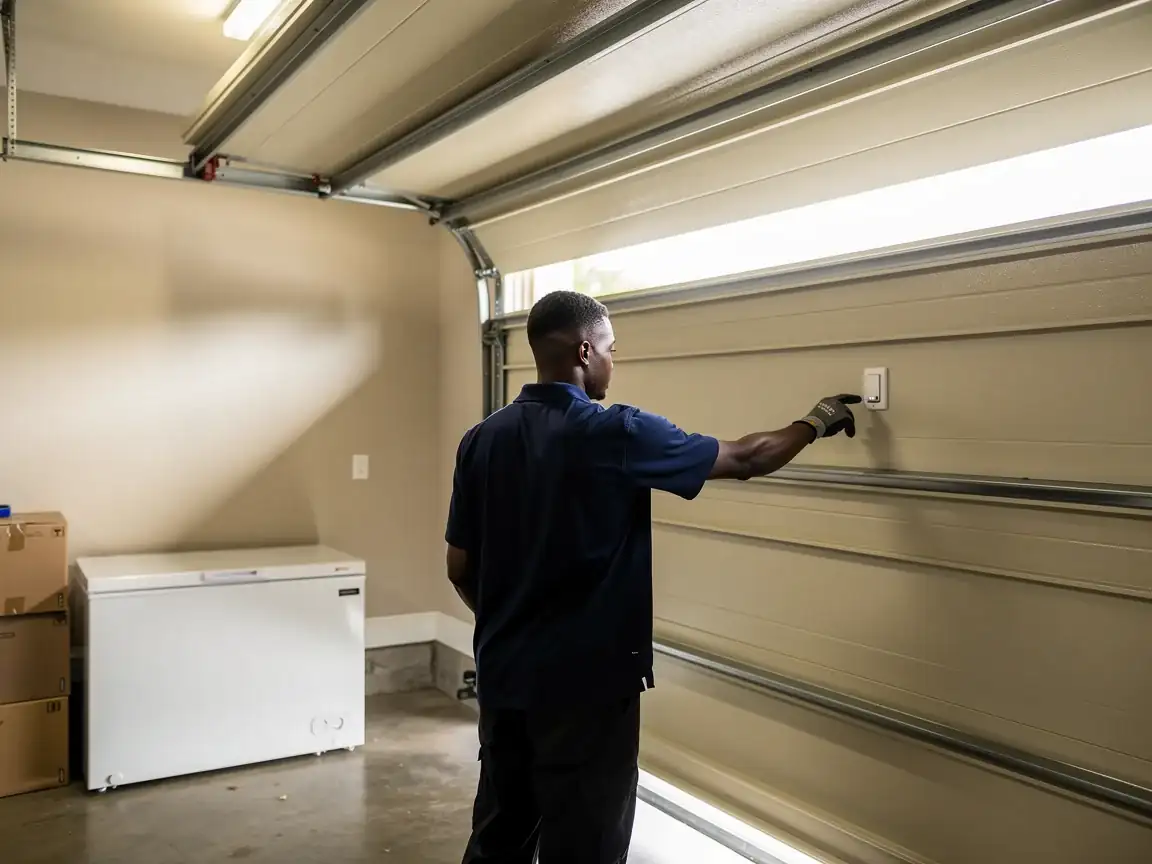
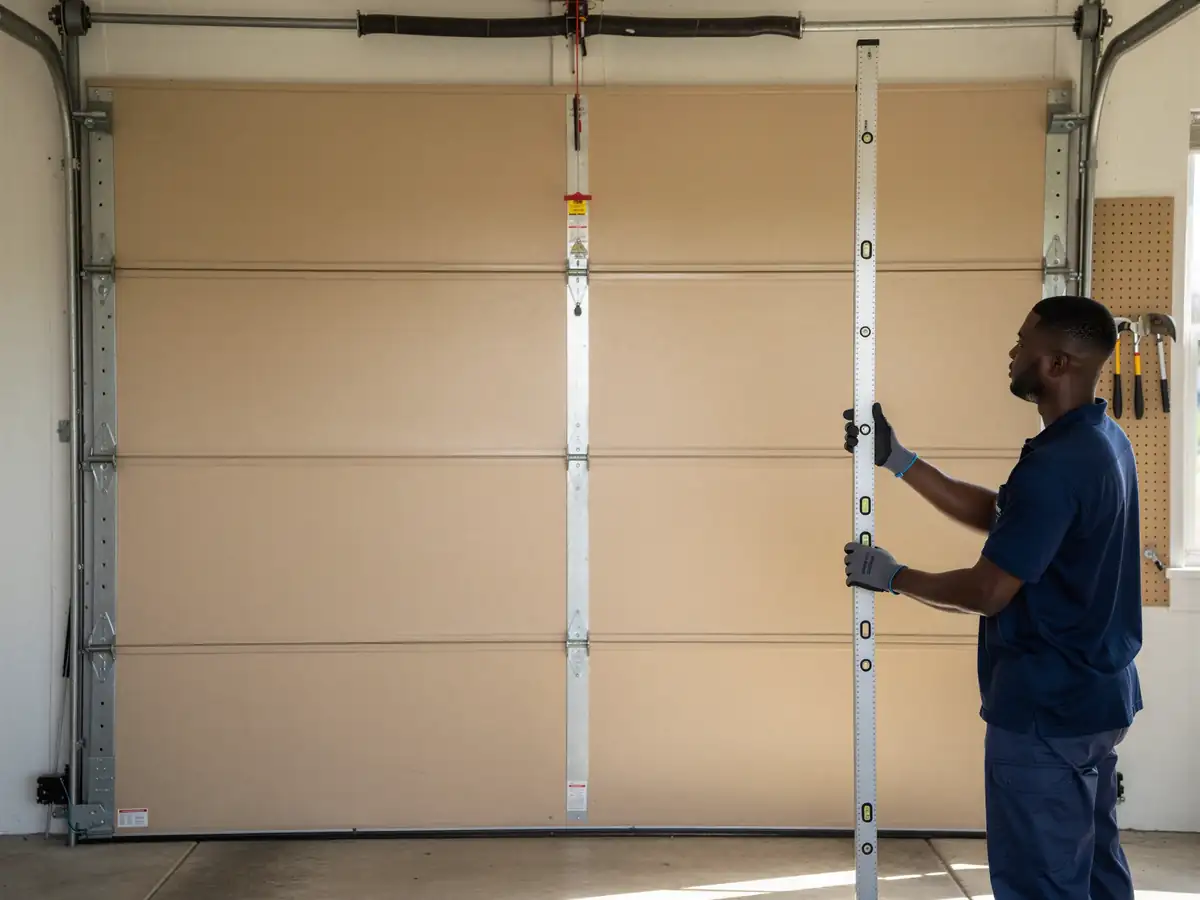
Check that both sensor eyes have a small steady light (not blinking), wipe the lenses, and make sure nothing's nudged the brackets out of line - a stray broom handle or a bike leaned against the track does it more often than people expect. Reprogramming a remote is also usually a homeowner job; the steps are on a sticker inside the motor housing or in the manual.
What we don't recommend touching yourself
Opening the logic board housing, or anything involving the high-voltage side of the unit. There's no safe way to
How Long You Are Without the Door
placeholder